Category Archives: mental health

Book 4 Launch!

This one seems like it’s been a long time coming. Book 4 of the McKinney High Class of 1986 series! And of all the seven books in the series, I have to say that this one is my favorite. I think every author has at least one book that they have written that seemed to flow out of them like water down the falls. I barely had to think, and the words appeared on the page. It’s possible this is the book have been meant to write all along. Afterall, I’m a social worker. I’ve worked with some people who have had really bad things happen to them, and have come out on the other side, sometimes somewhat dented or broken. We’ve all had things happen to us that we’ve thought might break us for good. I know I have. This is a story about two young people who experience some bad things, and then some more bad things, until they actually do break. But then they have to find all of their own pieces, and with help, put themselves back together again. This isn’t a book about being saved by love. It’s a book about finding love after saving yourself.

Meet Darlene Feinman

Darlene and Kim Drake have known each other since they were babies. Their mothers are best friends. They were pretty much inseparable as preschoolers. They started kindergarten together, and were placed in different classes. Darlene made a new friend, Michelle, and she felt loved and accepted by Michelle. Over the years, things change between the three girls, and the power differential shifts. Darlene has to make some decisions based on loyalty and making sure that she makes everyone happy. But Darlene has a secret. Everything is really not as wonderful as she leads everyone, including her own mother, to believe. The world is wearing Darlene down, but damn if she ever lets anyone in on what’s going on inside her head. She divides her time between the homes of her mother, who is supportive and giving but oblivious to what is going on, and her father, who is demanding and critical of her every move. She is an only child, so she is often left to her own devises, with her own thoughts. She develops a set of coping skills to help her get through, but sometimes, they just make things worse. As Darlene navigates life in high school, college, and beyond, she must figure things out, and make some major changes, before things go drastically wrong. She feels a sense of loyalty to her friends, and she must honor her promise to one of them that she will do whatever it takes to stay safe. Then she meets someone, and it is like she is hit by lightning. She is finally at a place in her life where she feels she can make good decision, but sometimes, emotions make it impossible to think straight. She will again turn to her friends for advice. Maybe it’s never too late to find happiness in a world that has treated you cruelly in the past.

Meet Stavos Karras

Stavros endured a horrendous loss at a very young age. He had to learn to adjust to go on with his life and help to take care of his infant sister. He has been loved and cared for by his parents, and taught to appreciate kindness and gentle words. But when he experiences another loss as a young adult, he has to learn how to cope. He makes many choices that lead him in a direction that he didn’t originally anticipate. He must use great determination to get himself back on the right path. With the help of his beloved family, he does his best to put the pieces back together. Then, out of nowhere, a new woman falls into his life, and she has had just as many, if not more, challenges than he had. Can Stavros continue to look after his own well-being, while also supporting a wonderful, fragile woman, who might just be the true love of his life?

This story spans 25 years, from the time before Darlene was born, to when both of the main characters are in their mid-twenties. Although they both have relationships throughout the book, they do not meet until the end of part 6. Slow burn? Maybe a little. Second chance romance? Maybe a lot!

Also starring all of your old McKinney High friends, Sally and James, Kim and Carl, Michelle and Chris, and Traci. And introducing the Karras family:

Rebel Karras
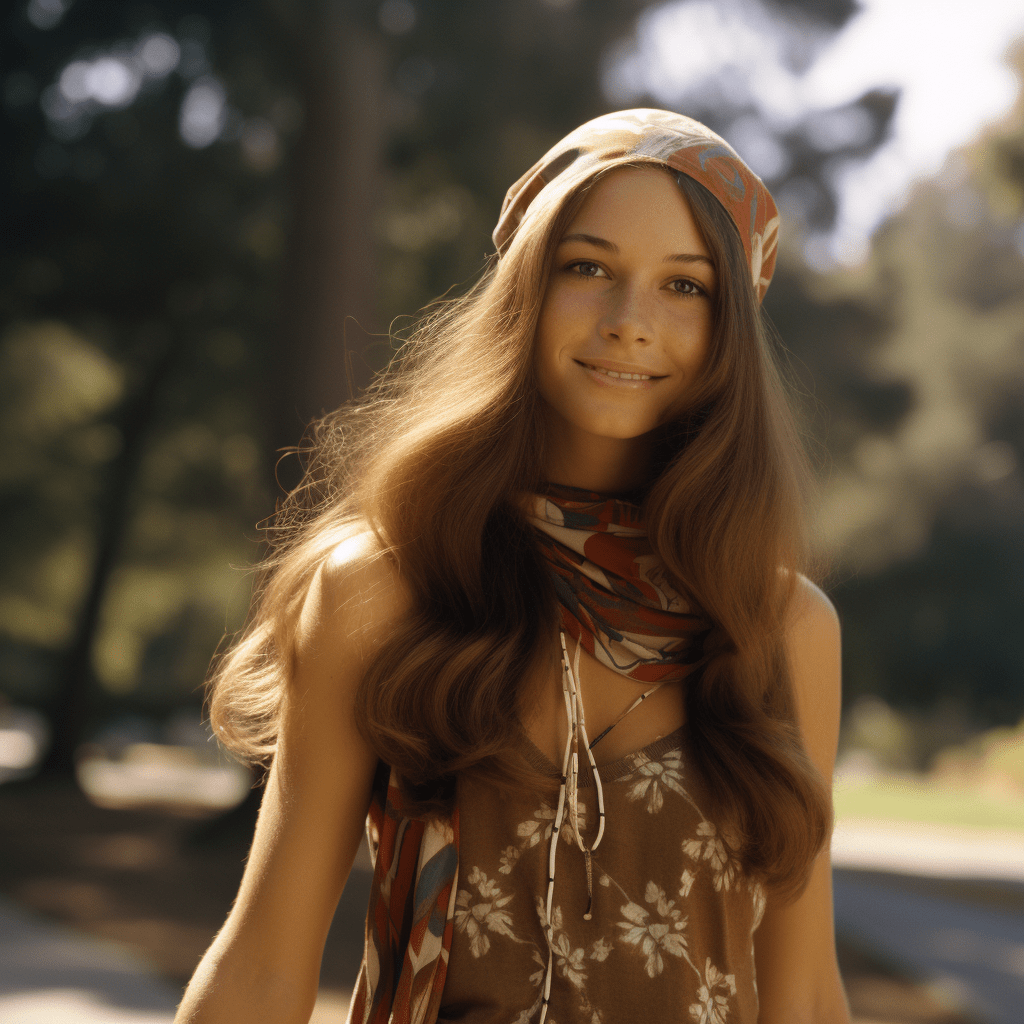
Rebel (short for Rebecca) Karras is the wife of Andreas and the mother of Stavros and Drea. She is originally from Pittsburg, but moved to Amherst, MA, after marrying Andreas, for his job at the university. There, Rebel attends classes, and gets a degree in philosophy. She is beloved by her fellow students, and she often brings baby Stavros with her to class and study groups. She cherishes the tine she spends with Stavros, often taking him on long walks, and teaching him to cook food from his Greek and Jewish heritage. Rebel struggles as the Vietnam war rages on, and young men are returned hoe from the war in coffins. She grieves for the losses, and wants to do whatever she can to make the world a better place. She tells Stavros stories, the stories that must be told and passes on through the generations. She reads to him, and when he learns to read, she gets him books to help him learn to be a better person. She would do anything for her children, up to and including the ultimate sacrifice.

Andreas Karras

Andreas is Stavros’s father. He lives in the house he bought along with his wife to raise their family, Stavros and daughter Drea. He is a teacher of Greek literature, true to his Greek heritage. He has a large family that lives in Pittsburg. He is the only male sibling. His sisters can be demanding, but also very kind and helpful. Andreas does not spend much time and attention in choosing his clothing. He often wears blazers with patches on the elbows. He is very wise, and a very patient father. He helps his children learn their own lessons, and he supports them unconditionally. He has endured a lot of loss and pain, but he never lets it slow him down. He would do anything for his children. He takes care of them while encouraging them to learn to care for themselves.

Drea Karras

Drea Karras is the daughter of Andreas and Rebel Karras. She was born during a very difficult period of their lives. She doesn’t know anything different than the life she has lived, and she has been very happy. But she has a lot of questions. For answers, she turns to her brother Stavros, six years older than her and her biggest fan. Stavros and Drea are very close, and are always there for each other. Drea needs her brother and her father very much as she grows up and learns some truths about herself that are difficult to handle, and they are both there for her every step of the way. Drea moves on through life having many experiences and making new friends, but she never imagines that one day she is going to meet the person of her dreams, and fall for them with one short glance. And this person will connect her with the group of friends from McKinney High for the rest of her life.

And now meet…Lindi Leahy

Lindi is a young girl in junior high when she meets Stavros through their mutual friend, Deanna. They become friends, and then they become more. They spend almost their whole high school years together, and Stavros anticipates that their love will last forever. But as all good things, this must come to an end. In this case, it’s Lindi who says goodbye, due to her move to college across the country, and some demons that have lived in her head, and have only gotten worse in the last year. The last thing Lindi wants is to hurt Stavros… You will be able to read Lindi’s full story in the future, in my next book series (it’s actually already written, but won’t come out for some time!).

I hope you have a chance to read this book, and I hope it gives you all the feels, like it does me. If you do love it, please write a review, and then go back and read the first three books, if you haven’t already!

Here again are the links to my Facebook page, Debby Meltzer Quick Author, TikTok, @dbmquick and Instagram, quickdebby_author. Please follow me on these pages. And please explore my page here at debbymeltzerquickauthor.com.

And here’s the link to the new book, at least the ebook version and Kindle Unlimited! Look for the paperback version tomorrow:

A Pre-Covid Journal Entry

Photo by Alina Vilchenko on Pexels.com

I decided to share some of my pre-book writing journaling with my daughter the other day. I was surprised that I enjoyed it as much as I did, and she was quiet as I read. I guess maybe I started writing earlier than I thought I did! I may share more as the weeks go by. I hope you enjoy an evening (or, like, 10 minutes) of my life about four years ago!


The clock on the couch side table read  6:00. But that clock had stopped years ago, before I even moved into the house. It was a stylish analog clock and went with the decor. The light was fading outside the window.I could see the rays of early autumn light through the reddening leaves. So it must have been about  6:00. But where was everyone? The house was so quiet. I was used to activity. Endless sound and movement. The feeling of needing to escape into my own mind to avoid the overload. Going into my room and burying my face in pillows to block out the noise, but noise would seep beneath the hastily closed door.  There was the fear of being followed into my room, which usually occurred, and could not be ignored.  I was never alone. I was never free with my thoughts. The music never stopped. That day it was a Billy Joel song from my childhood, not even a popular song, maybe a B side I heard from my mother’s turntable while I was counting cars driving by in front of my house. From my favorite perch, the radiator under the window in the living room. “Brenda and Eddie were the popular steady/and the king and the queen of the prom….” But I didn’t know why it was repeating with annoying clarity and regularity in my head that week. I had narrowed it down to boredom or under treated, free flowing  anxiety. I took a deep breath and held it for 3 seconds. Exhaled. 

Where were they? I had gotten home at 5:30 after walking home from the bus stop. I recalled the one time I came home to an empty house that smelled of fresh baked cookies. It was 6 years ago. The Tollhouse cookies were cooling on the rack, no baker in sight. It was surreal at the time. They never went anywhere. They were always about to sit down to dinner. I couldn’t remember where it was they went, probably to the grocery store to get some ingredients for dinner that night. There were never enough ingredients. Which I always found strange, since there were so many trips to the grocery store. But somehow we always needed more groceries. The cookies were fantastic that day. There were no cookies this time.

I knew I should take advantage of the silence but I had no idea what would fill the minutes until their return. Reading was always good. There were so many books to start. There was the dog eared mystery in my purse that I had been reading  on the way home on the bus. It was a new author to me, and most likely it would be the last of her books I would read. It didn’t grab me. I really didn’t care who killed the guy. I just wasn’t invested. So what to read, what to read. I thought of turning on the tv, but there was no way to avoid the news, no matter how fast I flipped the channels.  No more politics. It was too much. But now it’s taboo to not do politics. Not being involved was being complicit. But how much anxiety was one expected to ingest in the span of a day? Was feeling sick to one’s stomach from morning until night mandatory? Being scared of one’s future the new carrying card of today’s liberal? I was not in a place to fight Nazis that night. I would don my armor tomorrow and fight the good fight then.

I thought of the possibilities as I stretched my legs across the couch, often occupied by long, adolescent legs in repose. It seemed like a luxury to have so much room. My shoulders not squashed on both sides by hot sweaty bodies, my legs not trapped in pretzel form by a cat who chooses to jump on board just as I tuck my knees and feet beneath me, as if my lap was a safety post from the volcanic lava that made up the floor. Where were the cats? Why did they not approach when  I first came in the door, looking to rub their furry hides against my shins in an act of reownership as they did each day? The house suddenly seemed that much more empty. 

I closed my eyes. My ears were ringing. Most likely a result from hours on the phone at work, fixing problems and navigating dilemmas. My mother would say the buzzing in the ears was caused from taking too much Ibuprofen. She had read an article about this. I listened to the hum, to see if there was a pattern, a song, some sort of code. It was a constant, high toned drone. It soon lost its appeal. Maybe music would help, but the music…it was not doing its job properly. C’mon Brenda and Eddie!

A small sound pulled me out of my reverie and my eyes popped open. A scraping sound. From the bedroom. I went to investigate. As I entered, I could make out a soft mewling from the closet. I cracked the door. I was rushed by two angry, most likely hungry felines. Well, that mystery solved. Cats locked in the closet. But why? How? How long? Who locked them in there? When would they be home?

It was probably nothing. Maybe they went for a walk. No. She would never agree to that.  It took actual effort for her to move one foot in front of the other. It took energy. It took some kind of kick in the butt. They were not on a walk. The mall? No, not together. That would cause a family scandal that would not be lived down for days. Out for ice cream? Unimaginable without waiting for me. Ice cream is my love, my muse, my heart and soul. Anyone found out to pursue ice cream without me would be given the gaze of death long after the offence had passed. Play date? She told me she had no friends, and she was too old to call them playdates. She had friends. It was an exaggeration, a play for pity, and possibly for offers of gifts of sympathy. Or maybe a ply to get money for shopping. 

The clock still said  6:00. But it wasn’t really. It felt as if hours had passed, or maybe only 5 minutes. The thoughts in an ADHD mind tend to compress and unzip all at once, days of information in a 30 second period. It always amazed me when it was not midnight at 8pm, or bedtime at 5. But some things are expected at certain times. Family being home to greet me, dinner almost ready. The unpredictable in a predictable setting. I was not expecting it. 

I walked out of the bedroom as the front door opened. Our car was silent, a Prius, with a stealth engine that did not even alert bicycle riders that we crept up behind them, so they tended not to pull to the side. I had suggested a bike horn outside the driver’s side window to alert them, but as of yet it had not materialized. So I had not heard them pull in. 

“Where were you?’ I asked, keeping my tone cool and carefree.

“Grocery store,” he replied. “I needed to get some things for dinner. We were also out of cereal for tomorrow morning.”

I sighed. This was a mixed blessing. The irritation of the everyday, along with the predictability of life under my roof. It was at once reassuring and annoying. I sat back down on the couch. She approached, told me to move over, plopped down with her iPad and headphones, and threw her legs across my lap. The cat jumped on my lap.

“We got you some ice cream,” she said, not making eye contact, putting on her headphones.

Sometimes I Screw Up

Photo by Liza Summer on Pexels.com

ADHD is a much bigger part of my life than I give it credit for. I’ve most likely suffered from it since elementary school, or even before, but it went without formal diagnosis until I was in my 30s. That’s pretty common for women of a certain age. My age. We had no idea that we had something going on that was beyond our control. It was always explained as a character defect, and we believed it. At least I did. I thought I was lazy, because I couldn’t self-start. I spent a lot of time sitting on the couch, watching TV, because that took no planning, and no skill, really. Well, at least until they invented remote controls, and then even more complicated remote controls. And they you had 4 of them for the various devices attached to the TV, and if you hit the wrong button, you could never turn on the TV again, or you messed up the cable channels, and you couldn’t find your shows, or…

(Going off on tangents is a symptom of ADHD, BTW)

I made it into adulthood without absent mindedly falling through a manhole into the center of the earth. I still find that hard to believe. I think I’ve run into a few metal poles because I wasn’t paying attention. *Rubs forehead delicately* But I made it. Here I am! I still struggle. The struggle is very, very real. Only now I know that it’s not my fault. But now that I know it’s not my fault, it’s my responsibility to get over that fact and do what I can to make it better. To let go of the guilt and self-blame and do the work. I took a great class on ADHD at Kaiser Portland via telehealth during the COVID shutdowns. It was fantastic. The instructor didn’t tell me all the stuff I already knew. She told me stuff based on evidence. Not only about my affliction, but also about things that can be done to make it better. Exercise. Good food choices. Sleep. For some people, medication. There’s stuff you can do to your vagal nerve to stimulate it and decrease anxiety. You can practice mindfulness. You can make schedules, and post little reminder notes for yourself all over your house so you don’t forget to make that important phone call that you couldn’t make over the weekend because the place was closed. I personally email myself to my work email to tell myself to make the stupid phone call. Otherwise, I don’t think about it until I get home after work, see the empty prescription bottle on my table, and slap myself in the forehead in frustration. So yeah, lots of stuff you can try. You can also remind yourself that you’re not faulty because you forgot something. You can explain to others that you’re not faulty, while still taking responsibility for your actions. ADHD is not an excuse…it might explain why you did something, but then you have to come up with a plan so that you can show it won’t happen again. But the most important thing to remember is, you’re not faulty. You really aren’t.

Sometimes, I feel faulty. And that’s okay. It really is. Not in the moment. In the moment, it feels like crap and I’m full of nasty things to say about myself and what I did or didn’t do. No one can beat me up any better than I can beat myself up. And you know what happens when you beat yourself up for something that you just did? Your memory of all the other things you ever screwed up on in your whole life pops into your head, and you beat yourself up for those things, too. Man, I’m kind of a bitch! Never get on my bad side! I can be very mean. To myself.

But then, later, I remember. My brain works differently than those of many people in our society, the people who made the rules about how our brains should work. Then I just get mad at them. We’re not all alike. We all have our own ways. We need to celebrate the way we think, and how it makes us special. Without my special brain, I would never have written 20 books, and now be writing number 21. I wouldn’t be able to have the singular focus it takes to sit there on my couch with my computer, day after day, typing, creating stories, and bringing them to life. I’m not a planner, as I’ve said. It’s too hard for me to sit down and complete an outline, and then stick to said outline. So every time I sit down, I have no more idea of what will happen next in my stories than you do. It’s always a surprise. I love reading back what I wrote. “Oh!” I exclaim to myself. “That’s pretty good! I wrote that? What will I write next? I can’t wait to find out!”

But then I do stupid things. Like last month. I was planning my release of my third book, Absolutely and Totally Smitten, and in preparation for the release, I ordered 20 copies of the book, to sell at the launch event. Well, they never showed up. Grr. I was upset, because I really wanted to have them there. But my guests bought copies of my first 2 books, which was nice, so the day was a success. A week later, the books still hadn’t arrived on my doorstep. Curious, I went to the web site to see what was going on. And of course, what I found out was…I had filled in the order, but I had never hit the last button, the one to send the order in. Oh Lord. I should have known. I rolled my eyes at myself, pushed the button, and closed to the computer, laughing at my silly ADHD antics. Then I moved on with life.

Well, yesterday, they finally arrived! Finally! I took to the box with a pair of scissors and wrestled with the packing tape. I finally got the tape off and readied myself for the reveal of…20 copies of the wrong book. Groan. Yes, in my haste, I had pushed the order button on the wrong book, my first book, titled May I Have Your Attention Please, a book that I already have a bunch of copies of. Well, okay, I’m pretty sure I could sell some more copies of it, so I won’t return them. I went on the website again today, found the order I had started for the correct book, and completed that order. AND HIT THE SEND BUTTON. And then I beat myself up. Just once. JUST ONCE I would like to find that it was a mistake at the publisher. Yes, this is not the first time I have completed a task without checking the details before hitting send. I mean, yeah, right????

So all that being said, does anyone want a signed copy of May I Have Your Attention Please? Because, I just so happen to have a few on hand!

$16 USD for the book, and $4 for shipping (US only). So $20 for a signed copy that someday, may be worth, well, less than $16! If you’re in Portland, hit me up, and I can bring it to you personally!

Let me know. I’ll send one to you. Real quick. If I don’t forget! Damn ADHD!

My books can be found here.

Have a great week, y’all!

Stress. It’s What’s For Dinner

Photo by Pixabay on Pexels.com

Ok, maybe not dinner. But it does fill you up. When you have a huge plateful of stress, you swallow down your bitter entree, and follow it up with a glass of citric acid. Welcome, reflux.

So we all have coping skills that help us get through stress. There are healthy coping skills, and those that are not quite so healthy. In the mental health world, we call this adaptive and maladaptive. Both can be very effective. You might say, “but Debby, how can unhealthy, maladaptive coping skills be effective?” That would be a very good question. The answer is that they help us to get our needs met. The downside of that is that after using the maladaptive coping skills, there are usually unwelcome consequences.

Let me give an example. So imagine that you’re a child, living in a home where things are unpredictable. Maybe your parents fight about stupid things, and you never know what will trigger an argument. Maybe one of your parents is addicted to alcohol or drugs, and can be very unpredictable. You don’t know if you are safe at home. This might go on for years, and you just live with a sick feeling in your stomach. But then one day, someone offers you a drink, or a hit, or some other means of numbing your emotions. You accept, and then all of the sudden, things don’t seem so bad. So you continue to utilize mind numbing substances any time things aren’t going right. Now, it’s twenty years later, you’re married, you have kids, and things are stressful. Something happens and you feel you can’t handle the emotions. So you go to a bar. Or you call a friend who can hook you up. You get drunk, or you get high. And then you feel better. Maybe you can even go home and you’re feeling calm, and things settle down and you feel great because you just made things better for your kids. Better than it was when you were a kid. You’ve used a maladaptive coping skill. And it worked. But it only worked for a while. Because you know that next time something feels bad, you’re going to head for the same solution. And that’s gonna come back and bite you.

Now imagine that you live in a home where your parents are so wrapped up in their own issues that they pretty much don’t even notice you. They’re using drugs, or they’re stressed out about their own problems, or they have a chronic illness of some sort. You pretty much have to take care of yourself. But then a time comes where you need something, and you can’t take care of it on your own. No one hears you when you ask for help. You try everything you know in order to get them to listen, but nothing that you’ve tried has worked. So you have a gigantic tantrum, scream and yell, knock things over, and now, suddenly, you have everyone’s attention. And you’ve learned something important. When you freak out and lose control, people listen to you, and your needs get met. Now, it’s twenty years later (see how quickly time goes by?) and you’re trying to succeed in your own romantic situation. Everything is going well until one day when there is something you want and you’re not getting it. Suddenly, your subconscious mind remembers that in order to get what you want, you need to make a gigantic fuss. So you skip right over all of the healthy means of letting someone know you need something, and go right for the tantrum. Your partner is shocked by your behavior; it’s the first time they’ve ever seen you act like this. And they respond. They give you what it is you need, to try to help you calm down. Your need was met. But then, it happens again, a month later. And this time, your partner looks at you with confusion and frustration, asking themselves, “what the heck is going on here?” and maybe they start questioning the logic of being with you. Now, the coping skill is no longer working for you, and now, probably, your relationship fails. 

Photo by SHVETS production on Pexels.com

Maladaptive coping skills are formed in childhood. They are necessary for children who don’t have the opportunity to learn healthy skills from their environment. Either there are parents or caregivers that don’t validate emotions in a healthy way, or maybe they are just not able to meet the special needs of the child for some reason. It’s not clear if this is a nature or nurture situation. I suspect it’s a bit of both. So a child learns these skills,and it helps them to get by. In a way, this is a positive thing, as it’s a survival technique. But just like everyone else, this child will grow up and have to be on their own in the world, probably having to get a job and engage with other people. And other people are not always thrilled to have to deal with their behavior. So it’s important for these now adult children to learn skills that work for them, or those around them. Adaptive skills.

I had awesome, validating parents. That’s not to say that they were perfect. Parents are doing the best that they can, and sometimes their best depends on their own coping skills. I know my parents did their best, and I love them for it. But I was a very sensitive kid. I cried at the drop of a hat. I was prone to injury, including two broken arms by the time I was in fifth grade. I didn’t respond well to teasing, and I had two older brothers; not a good match! And to top it all off, I had undiagnosed ADHD, which made it very difficult for me to relate to many of my peers. When the time came for us to kind of break up into groups of friends, or cliques, in about third grade, I had no idea what to do. None of it made sense to me. I didn’t know how to initiate conversations, or to converse in a crowd. I was a one on one kind of friend. So I found myself starting to be on the outside of the circle. The strange thing was, I wanted people to like me so much, but I think I walked around with a big sign on my forehead that said “I’m really not interested.” I was focused on wanting people to like me, but I never once considered whether or not I liked them. But somehow, I conveyed a message to others to pretty much stay clear. And in addition to that, I was awkward, and most of the time, I said the wrong thing. I spend a good deal of my childhood palming my forehead and asking myself why I just said the dumb thing I said. 

So I had to develop some coping skills to deal with my emotions. My emotions left me feeling empty, so of course when you’re feeling empty, you want to fill yourself up. And what better to fill yourself up with, than food. Lots of food. Lots of sugary, delicious, comfort food. Oreos. Ice cream. Chicken McNuggets. If it was food and it was yummy, I ate it. Now, if you are much younger than me, you might not know this, but it was very common in the late 1970s and early 1980s for mothers to put their daughters on diets if they have gained “a little” weight. And I had. Now when I look back, so had everyone else. It was pretty normal to fill out quickly later in elementary school. Your body is changing, and shifting around. Hormones are arriving on the express train. But the medical community had decided that young girls needed to be thin to be healthy in those days, and doctors were putting out books to tell mothers how to help their daughters. So I was put on a diet. And I didn’t like it. So I snuck food to make up for it. Think about it; I was using food as my coping skill, and now I was being told I could no longer do it. So I had to cope with all of my regular stressors in life, plus the stressor that I was being deprived of what helped me to cope. It was a swirling eddy of disaster. 

Photo by Darina Belonogova on Pexels.com

Sneaking food became the norm for me. I felt ashamed if I was seen eating too many sweets, or if my portions were too big. Let me make this very clear: this shame was put on me by me, no one else. Well, maybe, the diet culture helped a bit. So I would sneak food, feel bad about it, and then eat more. I thinned out quite a bit as I grew, but always saw that chubby girl every time I looked in the mirror, and I felt bad.

I won’t go into the coping skills I learned in college, because they’re not relevant here, but they were clearly maladaptive, caused by feelings of deprivation, and caused a lot more problems than they solved. Cut to my mid-twenties, and I finally learned about SSRIs, the magic happy pills, and seriously, one month into taking Paxil, I stopped obsessing over food. But that doesn’t mean all my problems went away.

I have had many other coping skills over the years, some helpful, some not so much. I love to read. I make sure I have time to read every day. I like comedy, so I make sure to watch funny sitcoms on TV, sometimes the same ones over and over, because I also thrive on repetition. I enjoy going for walks. I like cats. I like to spend time with my friends. I took up knitting, and started to make hats. I love watching baseball and football, and when I go home to Massachusetts, I usually try to make it to Fenway park to a Red Sox game. And I really love to write. 

Writing became my main coping skills during the last year of COVID. I have always loved to write. I wrote poems in high school, and also some interesting novel-type things. In college, I journaled and wrote poems, mostly dark ones. In my 20s, I took some classes in fiction writing, and I started a novel. I was almost done with the darn novel, and it was pretty good, but then I got pregnant, and lost all sense of creativity and gave up for some time. That was 18 years ago. So when I started to feel extreme anxiety 18 months ago because we were told that COVID once again had spiked, and it was unlikely that we would be able to return to in-person activities for several more months, first I turned to knitting hats. I literally knitted 42 hats, I am not kidding. But then that novelty wore off, and I turned to writing. It helped a lot. I got so much out of my brain that had been swirling around for months, even years, and I was hooked. In 18 months, I have completed 9 complete manuscripts, have published one, and one is now at the editor. I finished book 9 two days ago. 

Photo by Vlada Karpovich on Pexels.com

So my coping skill is awesome. I love to write. I love to see the results of my writing. I love when someone reads my book(s) and tells me that they loved it/them. I love that I have 20 positive reviews on Amazon. I love to come up with new ideas. But as I said, I just finished a book. It’s been two days. I am trying to take a break from writing, just to rest. And guess what’s happening? I’m feeling really stressed out. I feel compelled to write, but I’m not ready to start again. I’m sitting here right now writing this blog, so I can write. So I don’t feel the stress for a few minutes. But then the post will be done, and I’ll have some time on my hands. I could go eat some ice cream. It would be okay. I can eat ice cream. That doesn’t freak me out so much anymore. But maybe I’ll go for a walk. Maybe I’ll knit a hat. Maybe there’s a Red Sox game on TV. Or maybe I’ll just let myself sit in my stress and anxiety for a while, and see what that feels like. I will not resort to old habits that don’t work for me anymore, because those just cause new problems. But every now and then it’s good to look back on those and remember, and see how far I’ve come. We all have stress. It’s just a matter of how we deal with it. 

May I Have Your Attention Please” is available now on Amazon, Barnes and Noble, and anywhere that eBooks are sold. Please check it out, and if you do read my book, please leave a review on Amazon, Barnes and Noble, Goodreads, or whatever other platform you are using. It would mean a whole lot!

I Just Can’t Say I Love You will be available on September 15, 2023, staring Carl and Kim and the usual cast of characters.

Here again are the links to my Facebook page, Debby Meltzer Quick Author, TikTok, @dbmquick and Instagram, quickdebby_author. Please follow me on these pages. And please explore my page here at debbymeltzerquickauthor.com.

Anxiety

Photo by Suzy Hazelwood on Pexels.com

I’ve mentioned before that I feature a lot of 1980s music in my first book, “May I Have Your Attention Please.” Only back then, we didn’t call it 80s music. We just called it music. One of the songs that I mention is “Anxiety (Get Nervous)” by Pat Benatar. I had the album Get Nervous, which came out in 1982 and was awesome. It was part of the stack of albums on my record player that I listened to as I went to sleep. In retrospect, it might not have been the greatest thing to listen to before going to sleep: a woman saying “get nervous” over and over again. Maybe that explains all the nightmares! I didn’t know it at the time, but later, much later, I would be diagnoses with having generalized anxiety disorder and ADHD, which is also on the anxiety disorder spectrum, and these disorders were most likely the cause of most my childhood and early adulthood distress. That’s why it’s really easy for me to write about people dealing with anxiety. I have witnessed it both first and second hand. I have treated people with anxiety through therapy. Also, it runs in my family, and since I’m in my family, here I am.

I tend to inflict a bit of anxiety in the lives of my characters. In my first book, not as much, but in the next five, there is quite a bit. I also do a lot to try to eventually alleviate that anxiety, because in doing so, I help myself deal with my own fears and phobias! So I’ll share a couple of little tidbits of anxiety provoking situations that my characters go through. Remember, what causes anxiety for one person could be nothing for someone else. Think about it. Some people keep spiders for pets. Others would prefer to burn the house down if they found a single spider in their bedroom. I’m right in the middle, but I have to admit, I had a nightmare the other night about a spider, and it was 20 inches in diameter. I actually screamed out in my sleep and my partner had to wake me up! But most spiders don’t phase me. I just don’t want them crawling on my face while I sleep. So here is a small tidbit of anxiety that James and Sally are feeling during an interaction involving meeting family:

 “James was feeling relieved that Sally had rescued him from the situation. He didn’t want to open the college can of worms with Sally’s grandfather. He had enough to worry about with his own family.  Maybe the grandfathers were the reason that Sally was feeling so uptight about him meeting her grandparents. If so, he thought he may have passed the test.”

And here is how Sally feels after having a very disturbing encounter with a school bully:

“Sally tried to speak, but she couldn’t catch her breath. Michelle sat against the wall and put her arm around her shoulders. She sat with her like that until Sally’s chest stopped heaving. Sally took a few deep breaths and recounted the whole story to Michelle.”

As you can see, anxiety can affect not only your thoughts, but also what’s occurring in your body. For me, sometimes, I feel my heart pounding, and I am very aware of it. I might not even be thinking about something that makes me feel anxious, but just the fact that I feel like an organ is about to burst through my chest can make those thoughts accelerate. So when it happens, I start to perseverate over what it might be that is causing the physical symptoms. Could it be that there is something wrong with me physically? Could I be having some sort of heart event? Should I be more worried? Oh no, now I AM more worried! Or maybe, it’s just anxiety about something that I can’t recall. So what could it be? Then I come up with all sorts of scenarios, and pretty soon, my thoughts of anxiety are matching the sensations in my body.

Photo by Liza Summer on Pexels.com

Do you want to know what the weirdest thing it about all of this? I’m a therapist, and about 9 years ago, I taught a group about how to deal with anxiety. I know everything I’m supposed to do to counter anxiety. I know the tricks of the trade. So of course, the moment I feel anxiety, I just use all the coping skills that I used to teach my clients, right? Uh, more like, what coping skills? Oh, those are fine for everyone else, but they don’t work for me! Ha! It’s amazing how that happens. Once, I went to see a therapist in an Employee Assistance Program to talk about my anxiety. She ended up giving me a hand-out of some information about coping with anxiety, and guess what? It was the same stuff that I gave out in my group! I pretty much assumed that this woman couldn’t help me, because I already knew everything she knew. I was stupid.

But it is really hard when you treat people for something, and then you have to deal with it yourself. I think there is embarrassment and shame about it, as you think you should be able to handle this on your own, and sometimes you can’t. That happened to me last year, around the time that the Omicron variant of COVID had been identified, and all of the restrictions that had been lifted were suddenly back in place. My work had been giving approximate “return to work” dates for months, and finally the date was getting closer. But then, there was the announcement. We weren’t going to return to work, and they weren’t even going to project when the return was going to occur. I had been holding my own until that time, but one thing that you must understand is that I DETEST working from home. I do not do well when left to my own devices. I am not a self-starter. I do best when working among other people who are doing similar work. So I was really looking forward to returning to the office. So when that didn’t happen, and it looked like the pandemic was going to last until who knew when, I pretty much lost it. My stomach started to hurt. I lost my appetite. I lost my motivation. Things started to look blurry. I started to misunderstand the intention of others. I was getting hot and cold flashes. My heart was pounding, and I felt dizzy. And every day it got worse, not better. And it went on all day and night. Speaking of night, I stopped sleeping. And when I did sleep, it was not good. I thought up all sorts of reasons why this was happening. Menopause. I only have half a thyroid, so I was positive it was my thyroid meds. My migraine shots. Some sort of heart disorder. Anything and everything. I called my doctor. I had tests run. I went over my symptoms a thousand times. I was in Urgent Care twice in two days. I made medication changes. I did everything I could.

Photo by cottonbro studio on Pexels.com

Finally, I was told that I was most likely “just” dealing with anxiety. I was resistant. If it was anxiety, I would have to do some work to make it better, and that sounded a lot harder than tapering off of medications (in retrospect, it’s not harder. Tapering off medications is very hard and can cause a new set of problems). But long story short (too late, I know) I did get help from professionals, and now, a bit over a year later, I am much better, I have tons of hope for the future, I am back in the office 3 days a week (still not enough, but no one comes in on Mondays and Fridays), I have knitted 42 hats, and written 6 complete books. And yes, the hats and the writing were crucial in my recovery. I don’t know what I would have done if I hadn’t figured these things out.

Here are some other things I do to help with my anxiety, and I have encouraged others to do:

  • count to ten
  • Breathe. I mean, really breath. Become aware of your breath. Inhale through your nose. Feel the air going into your belly. Exhale. Count your breaths. Count how long your inhale and exhale last. Be aware of your breath. Breathe whenever you need to.
  • Change your surroundings. Go outside. Drive somewhere else. Go someplace that feels safe. Go to people who feel safe.
  • Move your body. When you go outside, move your body around the block. If you like to run, run. If you like to walk, put one foot in front of the other. If you have stationary equipment, jump on. Do it for seven minutes. Don’t push it. Just move. Tomorrow it will be easier, and you can do it longer.
  • Meditate. This one is the hardest for me, as I drift away from my focus and have to come back to my breath about once every 30 seconds. But it is the practice that is important. If you cannot meditate on your own, you can find videos on You Tube. Or take a class.
  • Yoga. It slows you down and makes you breathe. And move. You can go to class or use a video, or whatever practice works for you.
  • Keep a routine. Do the same things in a predictable manner. Go to bed at the same time every night. Get up at the same time every morning. Eat 3 meals a day. Maybe eat the same meals every day if they bring you comfort.
  • Do things you enjoy and that don’t take a lot of deep thought. It might be reading a book, writing a book, knitting hats, doing crafts, watching “The Big Bang Theory” over and over again until your family goes crazy, or something completely different. Painting, playing solitaire (with real cards or on the computer), going hiking, taking a train ride, building something out of wood. The list goes on and on. And make yourself do what you enjoy for a set amount of time every day. No matter what else is going on around you.
  • Alternative medicine: acupuncture, massage, chiropractic care, naturopathic medicine. Herbal remedies, but only as recommended or okayed by a professional to make sure there are no interactions with other meds.
  • Decrease sugar. I have found that this helps me a lot. The less sugar I eat, the less my heart pounds, and that’s a good thing. Sugar increases inflammation, which can cause all sorts of issues. I am not saying to cut it out completely. Just lower it and see if it helps. Give it several days.
  • Talk to your support people. Let them know what is going on, and what you need them to do to help you. Sometimes, you just need a hug, or maybe someone to take care of your pets (scoop the cat box) on the days that you cannot. Maybe someone can come sit with you and watch tv. Or maybe they can take you out. Also let them know your boundaries. Maybe now is not the best time for people to come to you for support. Not now, but soon.
  • Talk to your doctor. Rule out anything medical that might be going on. Never ignore chest pain. If anything feels different from what you are used to, get it checked out. My father had panic attacks, but he also had a heart condition. Ignoring the signs and symptoms can be dangerous. And if your doctor can’t find anything wrong, they can refer you to someone else who might be able to help you, such as:
  • A therapist. I am a therapist, so I think therapy is great. But I’ve also been to see therapists, and I can tell you from both sides, therapy helps. If you have had a different experience, it might not be the therapy; it might have just been the wrong therapist for you. Give it another chance. Sometimes, you can find the root of the problem. But if not, you can still come up with a personalized plan to help deal with the anxiety. There is not a one size fits all solution to any mental health issue. Googling might give you information, but Google can’t get to know you the way a therapist can.
  • See a psychiatrist. If your doctor does not want to prescribe medication for you, as some primary care providers do not feel comfortable doing this, have them refer you to a specialist. When I say psychiatrist, I really mean anyone who is authorized to prescribe psychiatric medication. That includes psychiatric nurse practitioners and physician’s assistants. They are also fantastic and know what to do. Just don’t expect any miracle drug. If a medication makes you feel better on the first day, I can promise you that it is not something that you will be allowed to take long term. The effects wear off over time, and you will just have to take more and more. And then, someday, you’ll be taken off of the med, and it will not be a good experience for you. Or anyone around you. So be patient. As patient as you can be with anxiety! But seriously, sometimes, you need medication. Maybe just for a short time, or maybe longer. Remember, it’s just like any other medical condition. If you had Type 1 diabetes, no one would fault you for taking insulin for your health. It’s the same way for mental health medications. They are there, and they can help. They can’t fix everything, but they can take the edge off for sure.

I hope that some of this information is helpful to some of you. I know that it’s hard to talk about mental health in public. But I think the more we do it, the less of a stigma it will be to share our stories. I know it helps me to talk to others with similar experiences. Last year, I was referred to an ADHD group through my insurance, and it was great. I learned so much, and it really helped me. That, along with the help of my professional team, my family, my friends, medication, and time, really brought me back to myself, a place where last year, I could never see myself again. Someone told me last year, “Next year, you’ll look back at this, and you won’t be able to believe that you were even feeling like this, and you’ll feel so good to know that it’s over and you feel good.” I didn’t believe them at the time, but just last week, I found myself doing just that, and the only thing I could say to myself was “Wow. Just wow.”

Photo by Joshua Abner on Pexels.com

Here again are the links to my Facebook page, Debby Meltzer Quick Author, and TikTok, @dbmquick. Please follow me on these pages. And please explore my page here at debbymeltzerquickauthor.com.

Have a great week, my friends. And don’t forget to breathe!